
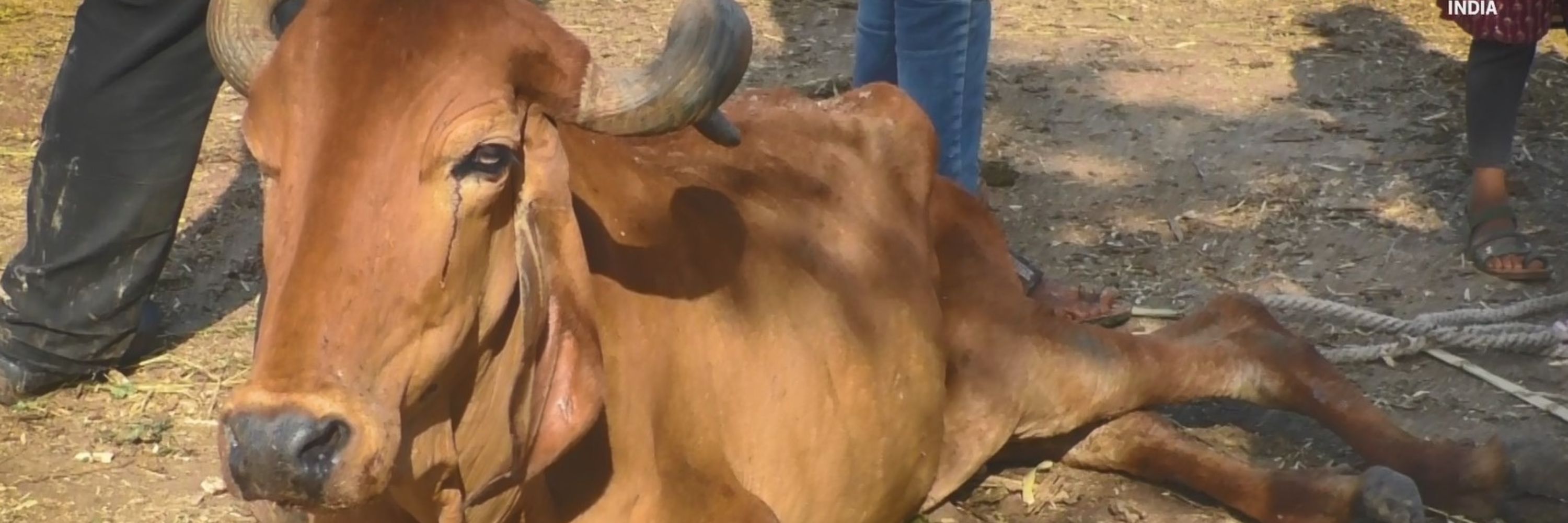
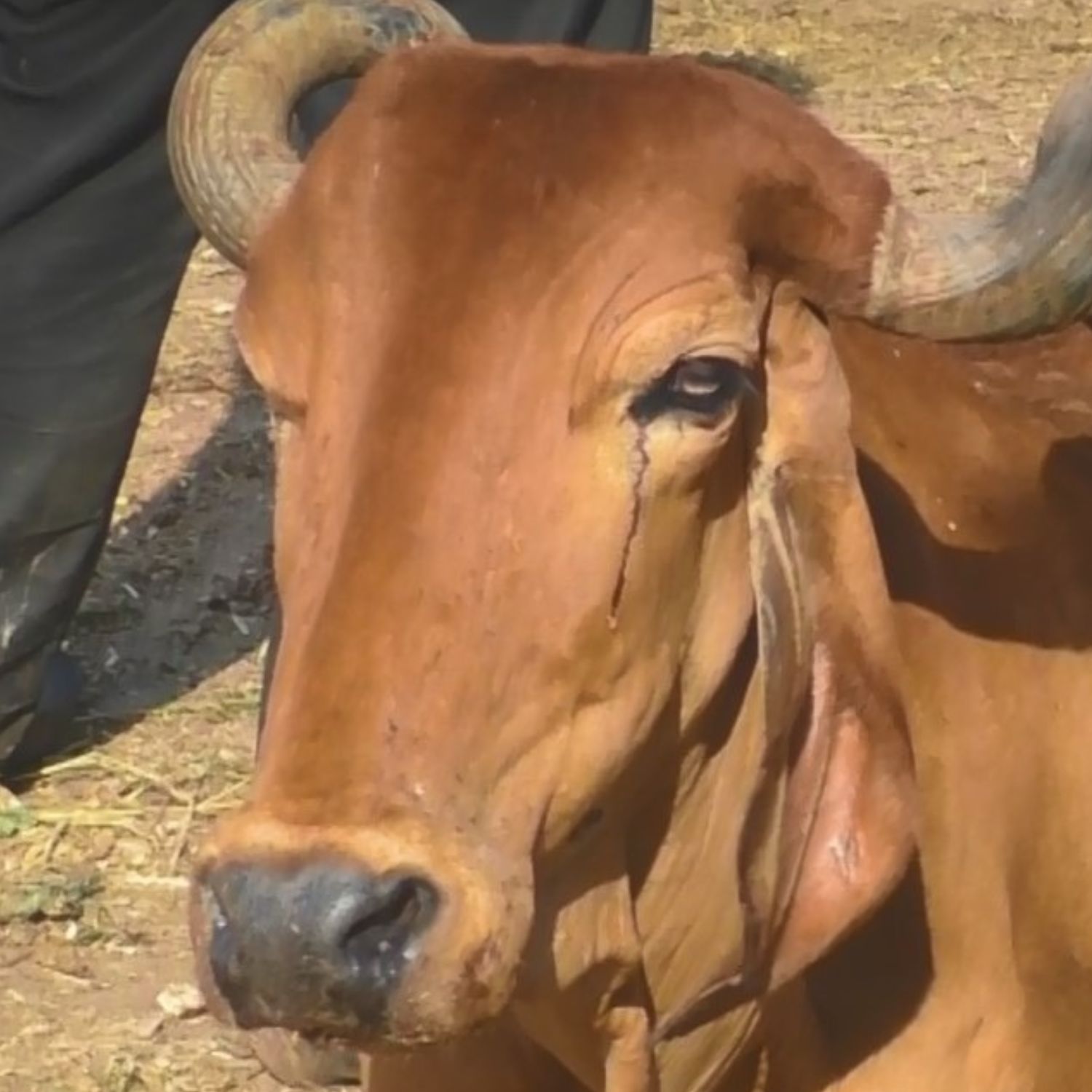
Animal Equality’s Investigation Exposes Alarming Cruel and Illegal Practices in Dairy Farms of Maharashtra
An undercover investigation by Animal Equality across 36 dairy farms in Maharashtra documents severe confinement, unhygienic conditions, denial of veterinary care, dangerous practices and physical abuse of dairy animals including interviews of workers confirming selling unproductive dairy animals for meat.
A lifetime of confinement and neglect
The investigation found animals crammed into confined spaces and tied with short ropes, leaving them unable to move freely. Many were forced to stand, eat and sleep in the same spot, often on floors covered with their own faeces and urine. The unhygienic surroundings were infested with flies and mosquitoes.
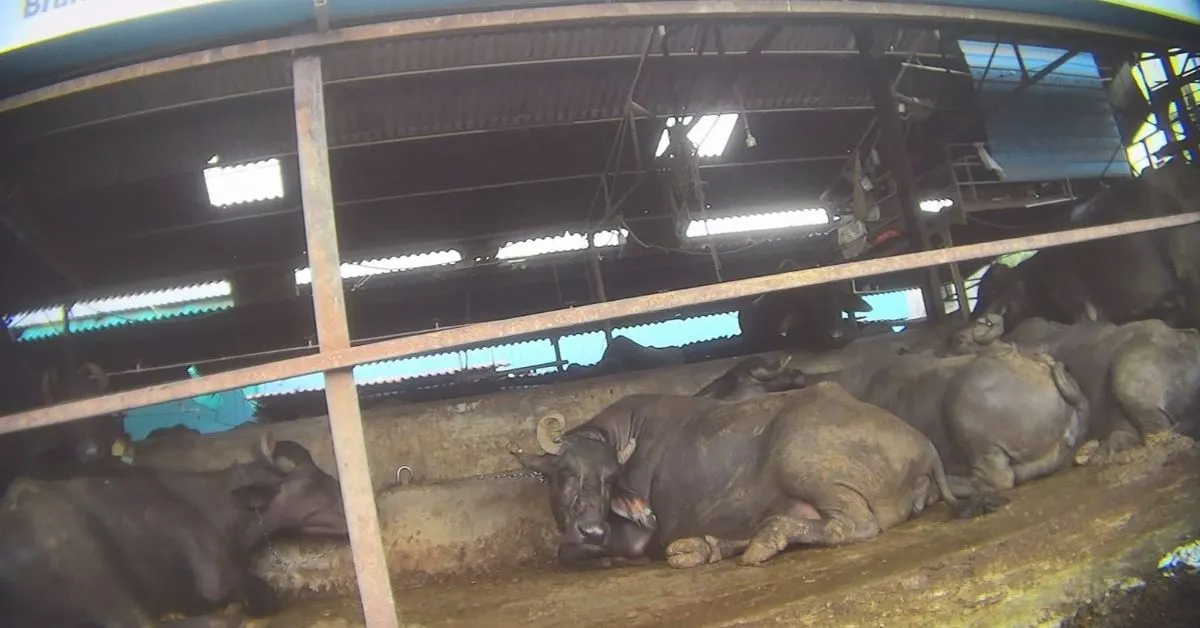
Milk was also transferred and stored in visibly unhygienic conditions, raising serious concerns about contamination and food safety.
Some dairies lacked even basic infrastructure. Animals were tied along roadsides or kept inside closed, poorly ventilated shops, exposed to extreme heat with little protection.
Dangerous practices and lack of medical care
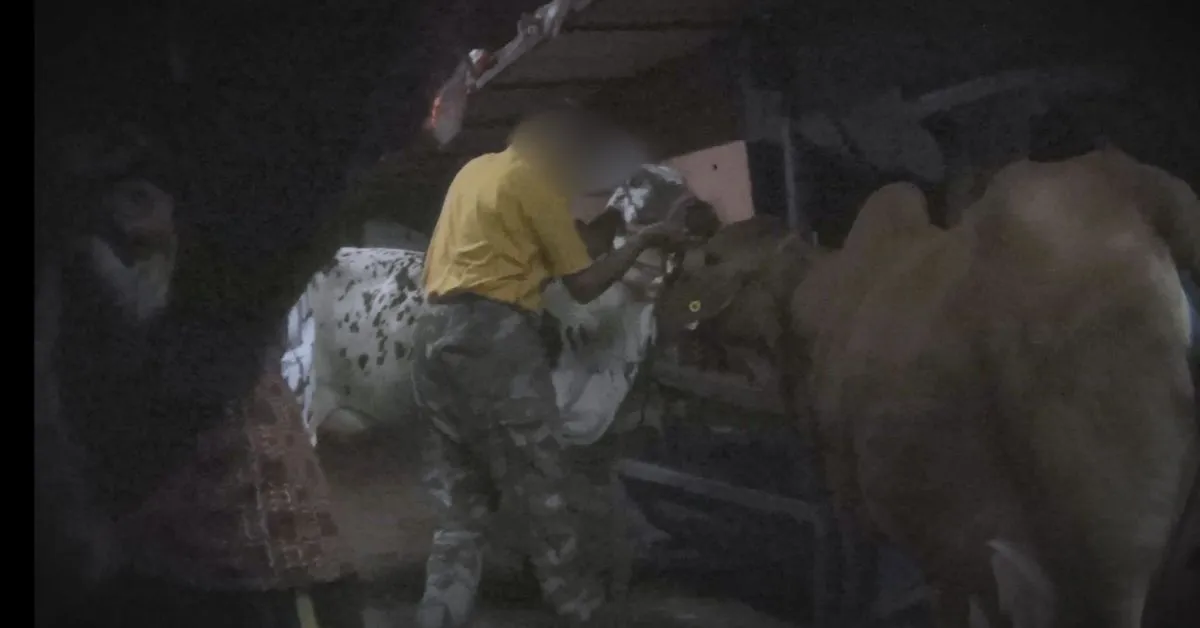
Animal Equality documented the use of dhatura, a poisonous plant, as a traditional remedy for cows at some dairies. Its toxic compounds can cause severe poisoning, neurological problems and even death.
Despite injuries and illnesses, many animals were not given veterinary care because treatment was considered an additional expense. They were also not provided with adequate feed, further compromising their health.
Mothers separated from their babies
One of the cruellest practices in dairy production is separating mother cows from their calves. Cows form strong maternal bonds with their young and can experience considerable distress when separated. They call out for their babies and show signs of agitation.
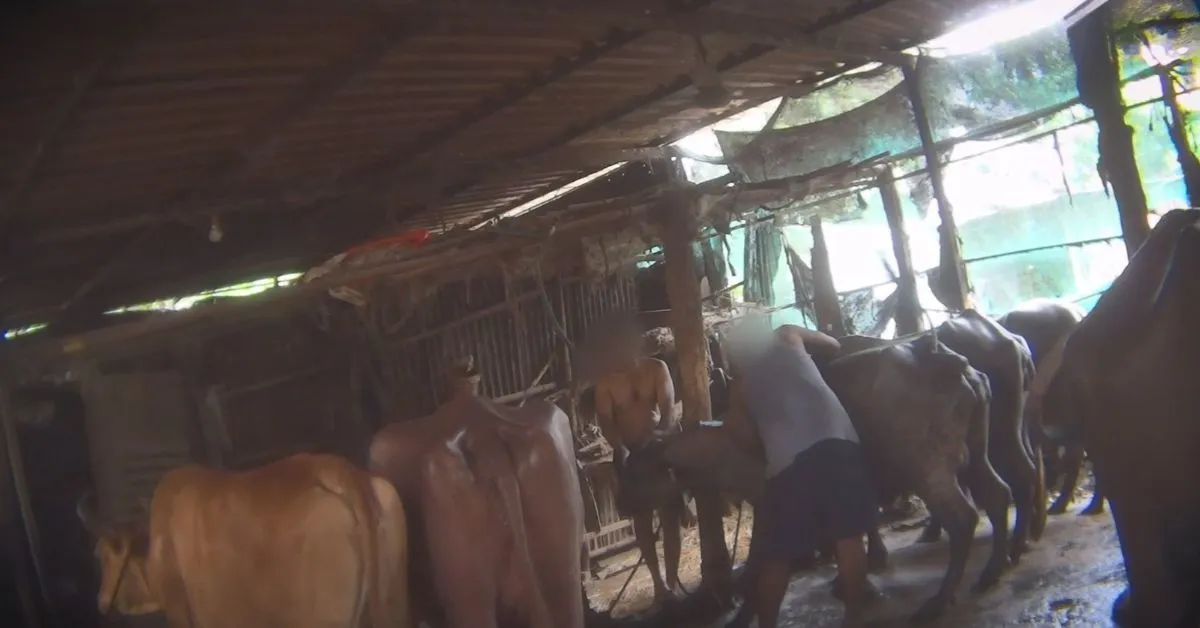
Due to this separation the milk production declines, some dairy owners resort to oxytocin injections to force milk let-down. The improper use of this hormone causes painful contractions and reproductive complications.
Abuse and exploitation
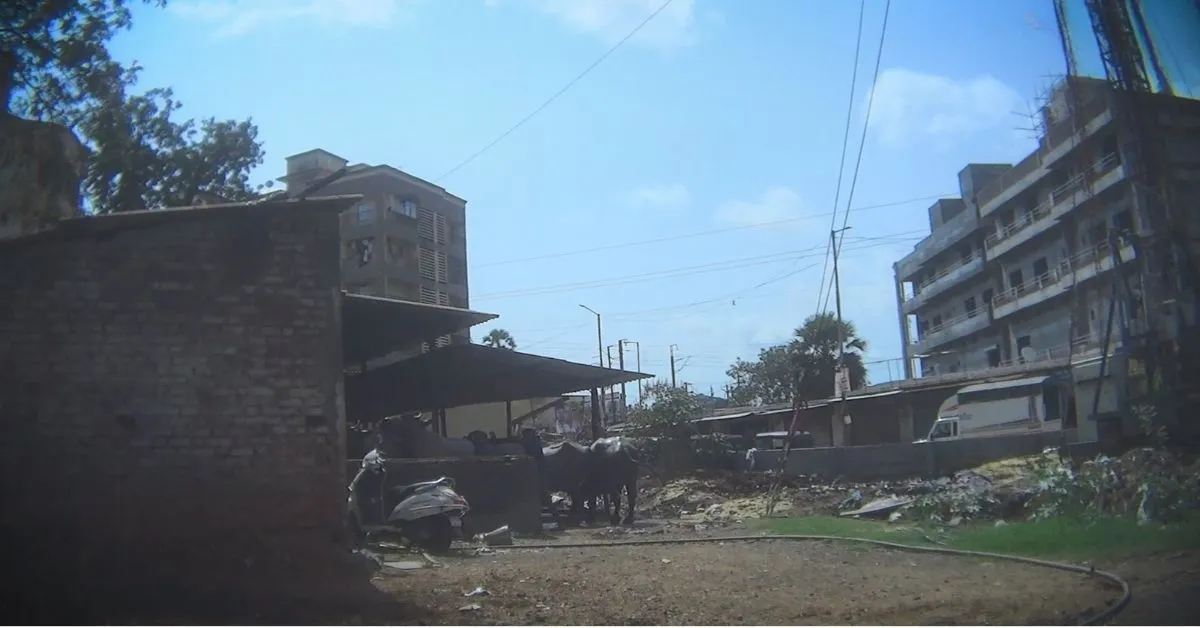
The investigation also exposed deliberate physical abuse of animals by workers. It further raised concerns about child labour, with children found working at some dairies. Some workers were also forced to live within the dairy premises in poor conditions.
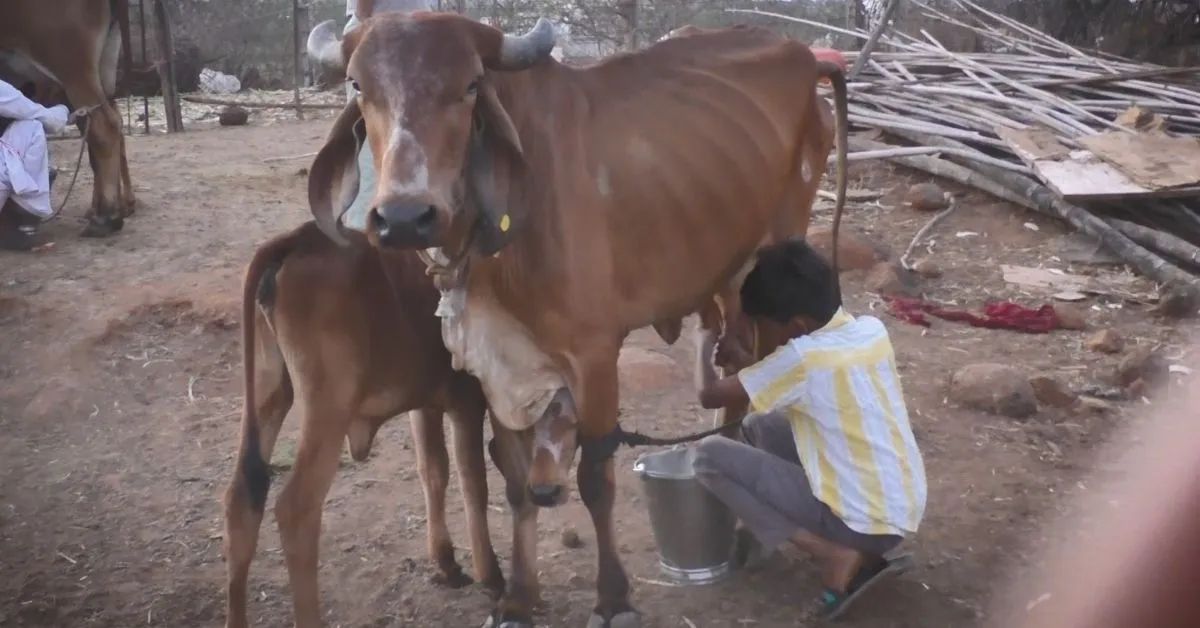
Interview of dairy workers confirms that animals are eventually sold when they are no longer considered commercially useful.
A Call for Change
Animal Equality has been investigating dairy farms in India since 2014. Each time, we have found the same: neglected animals, rampant violations of animal welfare laws, and serious threats to food safety.
“This is why we are urging the Government of India to act: to introduce rules which will reduce the suffering of millions of animals in dairies. The authorities must provide training and monitoring on animal welfare and food safety. We have recommended setting up committees at state and district levels to ensure these measures are enforced.” Amruta Ubale, Executive Director, Animal Equality India.
The Way Forward
The dairy industry thrives on keeping this cruelty out of public sight. But behind every glass of milk is a life of confinement, separation, and suffering. For the sake of both animals and people, it’s time for change.
Dairy production in India — and globally — is built on the exploitation of mothers and babies. By choosing plant-based alternatives, we can reduce this suffering and help create a food system that is kinder, safer, and more sustainable.
Every time we choose a plant-based alternative, we take a step towards a kinder world. Choose compassion. Choose plant-based.

DEFEND MOTHERHOOD
A cow’s maternal instincts foster a gentle bond with her vulnerable calf. Preserve this tender relationship by choosing plant-based alternatives to dairy products.