
World Day For Farmed Animals: A Call for Compassion and Change
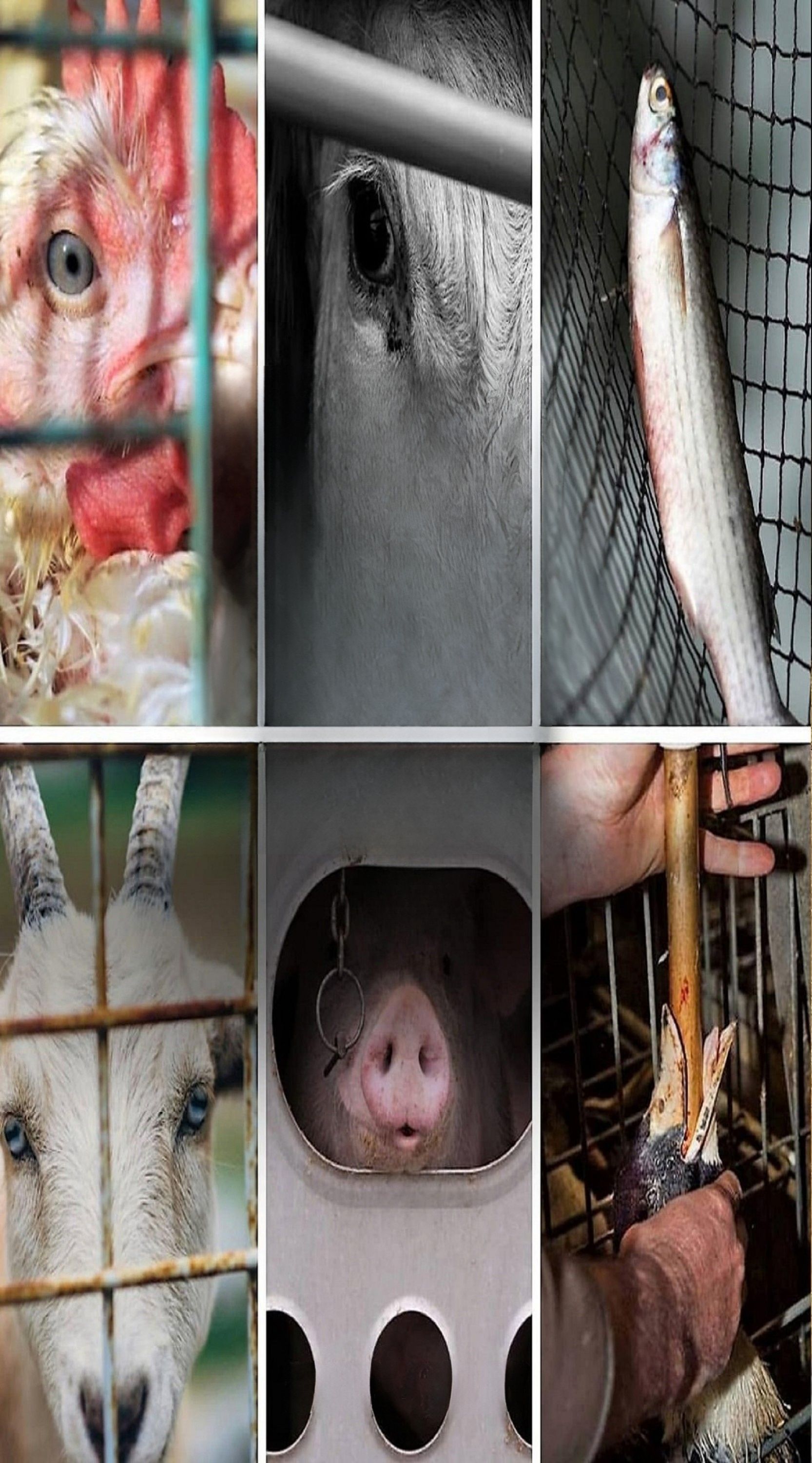
Every year, World Day For Farmed Animals reminds us to look beyond the food on our plates and recognize the lives of the animals behind it. Cows, buffaloes, chickens, goats, sheep and fish are sentient beings who experience pain, fear, stress and distress. Yet millions of farmed animals around the world are killed.
For animals in India, this reality is particularly important to acknowledge. Behind milk, eggs, meat and fish on our plates are animals who are subjected to cramped spaces, harsh living conditions, brutal forms of physical and emotional abuse.
Farmed Animals Deserve Compassion
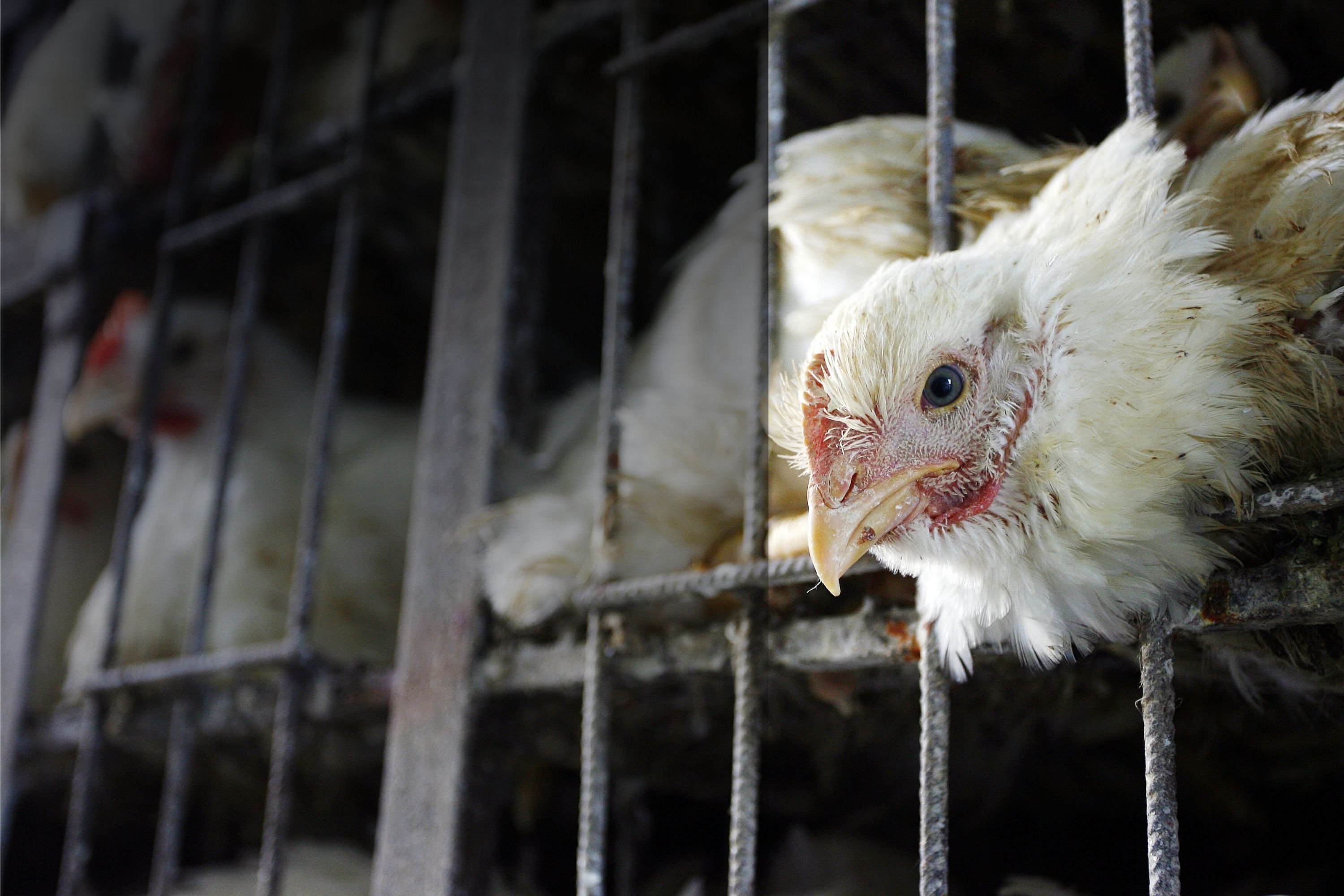
Farmed animals are often treated as commodities rather than individuals. Chickens spend their lives in overcrowded sheds or restrictive cages. In intensive poultry production, birds are selectively bred for extremely rapid growth, which can contribute to mobility and health problems. Hens can also undergo painful procedures such as debeaking to reduce harmful pecking in stressful and confined environments.
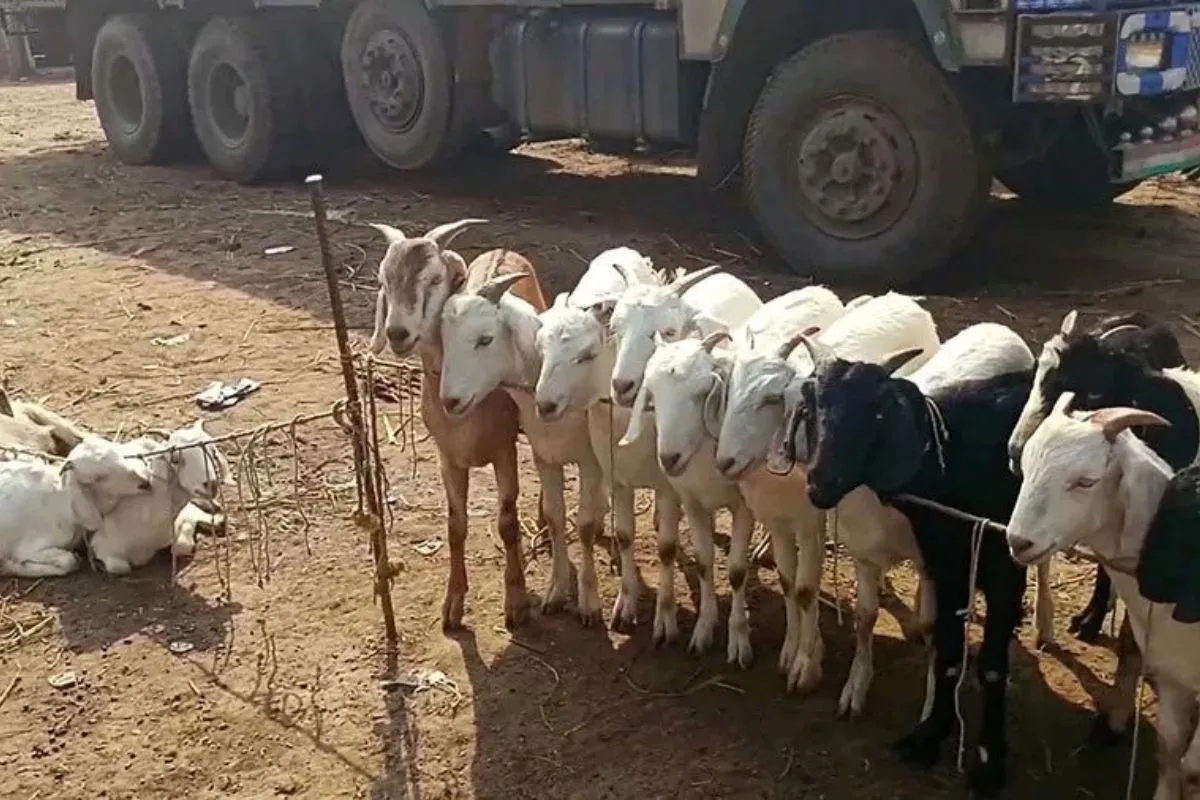
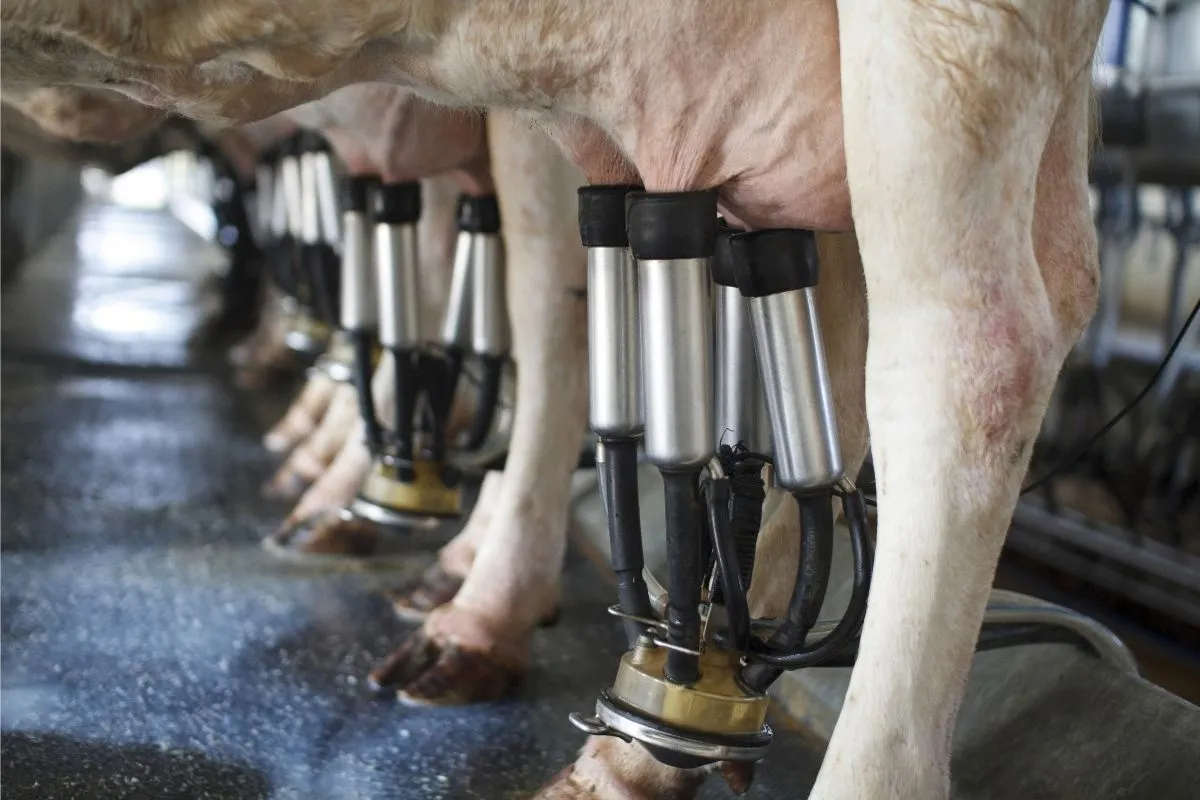
Dairy animals face repeated pregnancies, separation from their calves. Male calves, as they do not produce milk, are considered economically unwanted and sold for slaughter. Goats and sheep raised for meat experience stressful handling, transportation and slaughter.
Fish are frequently left out of conversations about animal welfare. However, scientific research has increasingly highlighted the capacity of fish to experience pain and stress, reminding us that compassion should not depend on whether an animal looks or behaves like us.
The Hidden Cost of Animal Agriculture
The impact of farming animals extends beyond individual suffering. Industrial animal agriculture places pressure on land, water and other natural resources. Large-scale livestock production requires substantial amounts of feed, water and land, while animal waste can contribute to environmental pollution when poorly managed.
Animal agriculture also raises questions about how efficiently we use our resources. Feeding crops to animals and then consuming animal products can require more resources than directly consuming many plant foods. As India’s population, food demand and environmental challenges continue to grow, encouraging sustainable and plant-based food choices can be part of a broader conversation about the future of our food system.
What Can We Do?
World Day For Farmed Animals is not simply about remembering animals for one day. It is an opportunity to reconsider our relationship with them and the choices that shape their lives.
One meaningful step is to choose plant-based foods. In India, compassionate eating can be practical, affordable and familiar. Our culinary traditions already offer an enormous variety of plant-based choices, including wide range of vegetables, grains, millets, nuts, seeds, legumes, pulses, etc. Today, plant-based milk, tofu and plant-based meat alternatives provide even more options.
Individuals can begin by replacing one animal-based meal with a plant-based meal, gradually exploring new foods and encouraging friends and family to do the same. We can also support organizations working to protect farmed animals, raise awareness about animal protection, advocate for stronger protections and promote alternatives to animal agriculture.
Compassion, Non-Violence and Gandhi Jayanti
This World Day For Farmed Animals, which coincides with Gandhi Jayanti on October 2, offers India a particularly meaningful opportunity to reflect on compassion and non-violence. Mahatma Gandhi’s philosophy placed ahimsa at the heart of a compassionate society and emphasized respect for living beings.
This October 2, let our celebration of non-violence include the animals who share our world. Let us move toward a food system where animals are valued not for what they can produce, but for the lives they are capable of living.
LIVE KINDLY
With rich emotional lives and unbreakable family bonds, farmed animals deserve to be protected. You can build a kinder world by replacing animal food products with plant-based ones.