
Consumer Rights Day: Are We Truly Informed About What’s on Our Plate?
Every year on March 15, the world observes Consumer Rights Day, a reminder that every individual has the right to safety, information, choice, and to be heard. In India, these rights are protected under the Consumer Protection Act, 2019. Yet when it comes to meat, milk, and eggs, the animal agriculture industry often operates in ways that undermine these very rights.
At the heart of consumer protection lies the Right to Safety — protection against goods that are hazardous to health. Industrial animal farming frequently relies on the routine and untherapeutic use of antibiotics to promote growth and prevent disease in overcrowded, unsanitary conditions. This overuse contributes to antimicrobial resistance (AMR) in consumers, a global public health crisis recognized by the World Health Organization. When antibiotic residues remain in meat or milk, or when resistant bacteria spread through the food chain, consumers unknowingly face serious health risks.
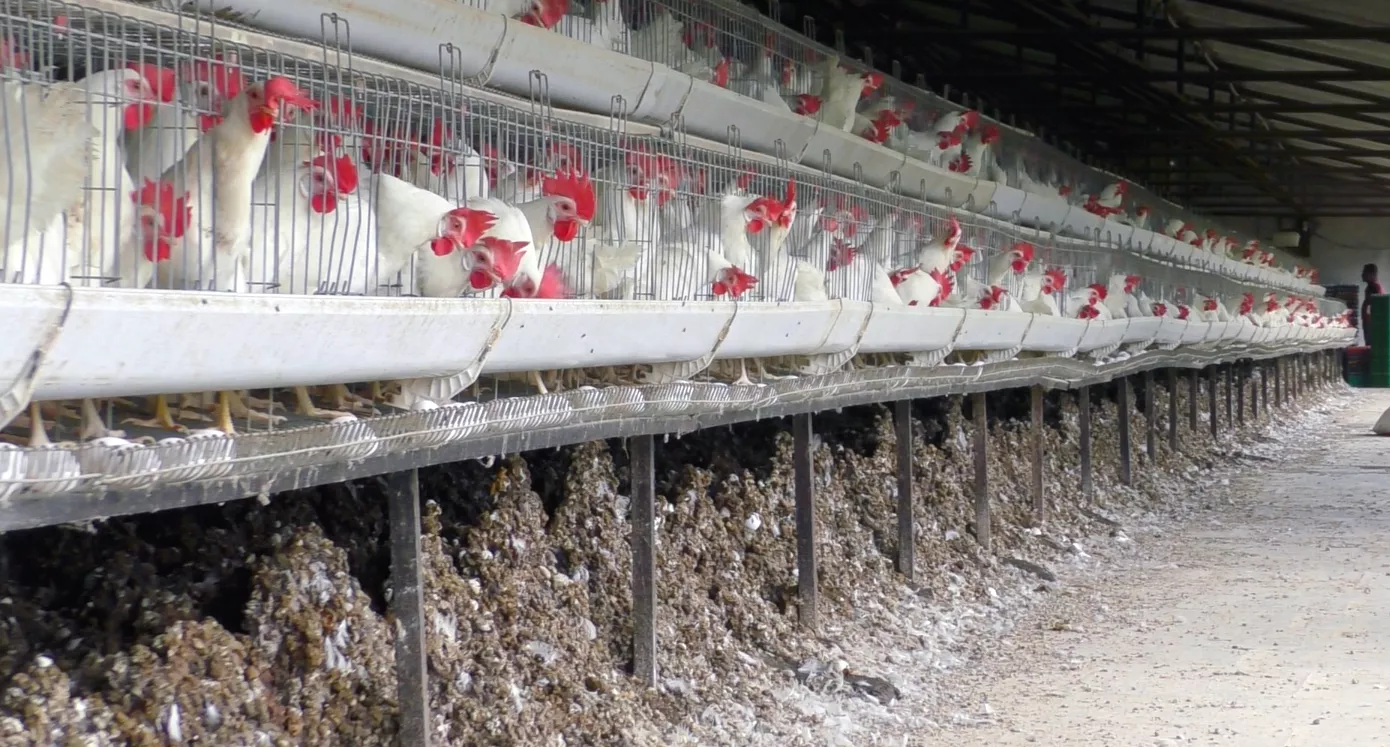
Hens used for commercial egg laying are often kept in high-density systems where disease spreads easily. To offset these conditions, antibiotics are frequently mixed into their feed or water as a preventive measure. Residues can persist in eggs, and the routine administration of these drugs contributes further to antimicrobial resistance. Yet egg cartons rarely disclose whether antibiotics were used in production, leaving consumers without critical information about what they are purchasing.
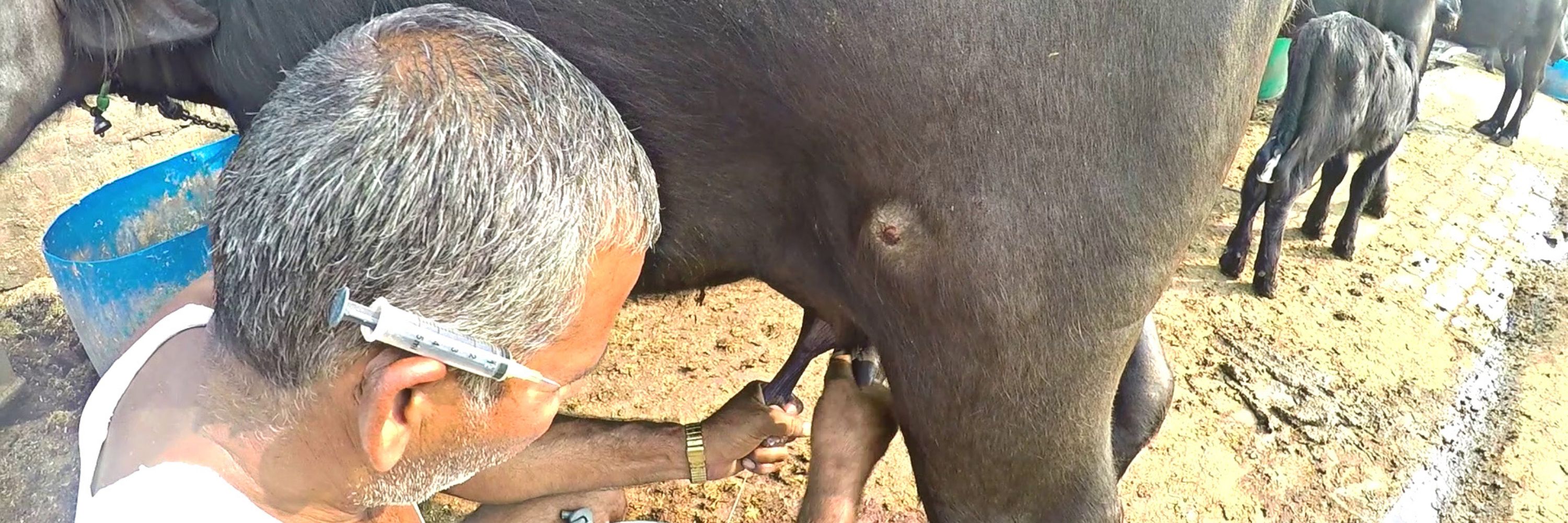
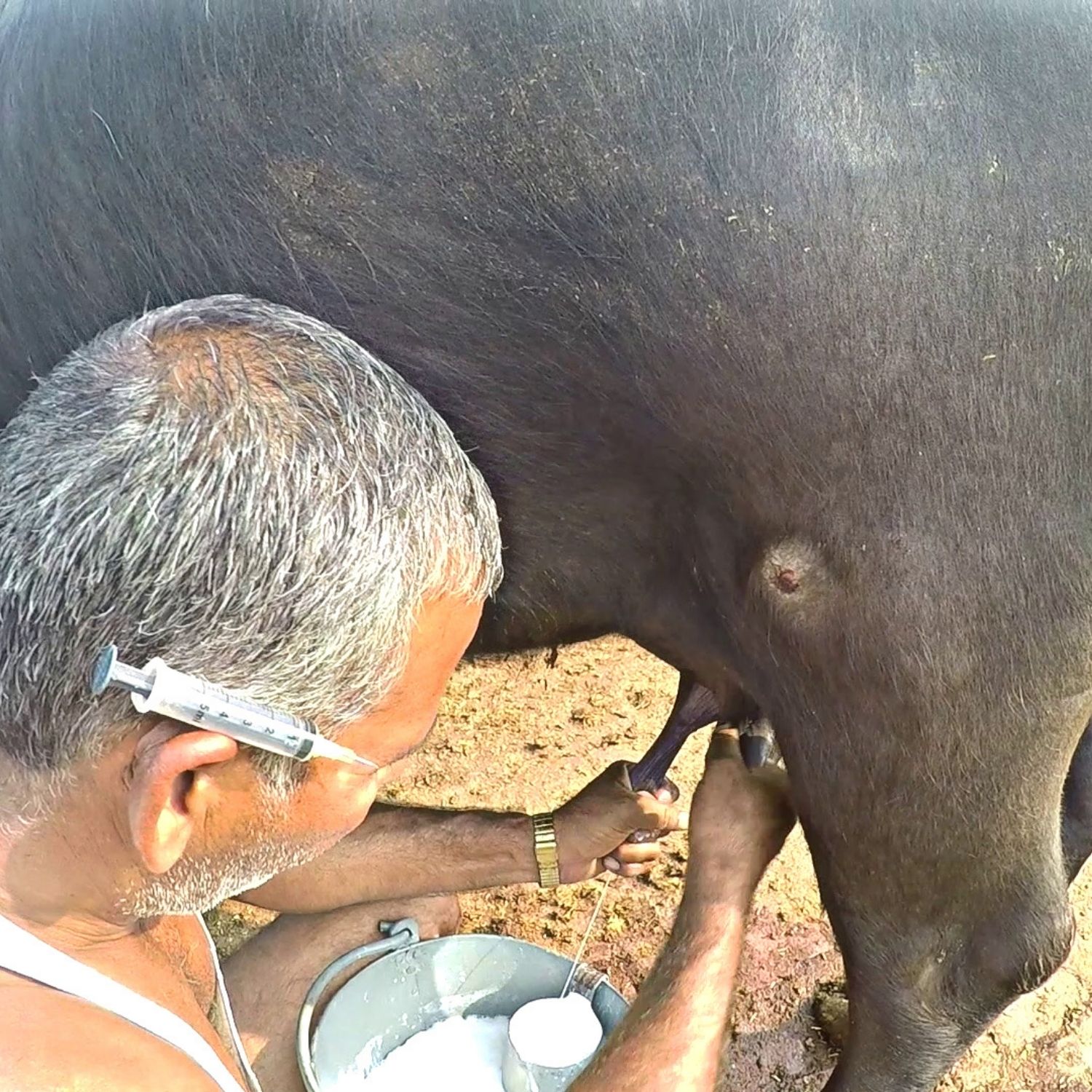
Another serious concern in India is the misuse of oxytocin in dairy production. Despite regulatory restrictions and bans on its misuse, enforcement challenges persist. Excessive or unauthorized use of oxytocin not only harms animals but may also result in hormone residues entering the milk supply. Concerns have been raised about potential links to reproductive health issues and early puberty.
Consumers are rarely informed about routine antibiotic use, drug administration practices, or the stressful conditions in which animals are confined. Even though food standards are regulated by authorities like the Food Safety and Standards Authority of India, enforcement gaps and inadequate disclosure requirements mean that consumers are not always given the full picture.
The Right to Choice is also limited when alternatives are marginalized. Heavy subsidies and marketing campaigns promote animal products as dietary essentials, often sidelining plant-based options. Consumers may believe they are choosing freely, but when information is incomplete or obscured, that choice is not fully informed. True choice requires transparency about production practices, public health implications, and long-term societal costs.
Additionally, the Right to Be Heard implies that consumer concerns about food safety and ethical sourcing should shape policies and enforcement. Yet investigative findings about contamination, drug residues, and illegal practices in animal farming do not always translate into systemic reform. Without strong accountability mechanisms, consumer voices remain secondary to industry interests.
Consumer Rights Day is not just about defective gadgets or misleading advertisements — it is also about the invisible risks embedded in everyday food systems. When antibiotics are overused, when oxytocin misuse persists, and when labeling lacks clarity, core consumer protections are compromised.
LIVE KINDLY
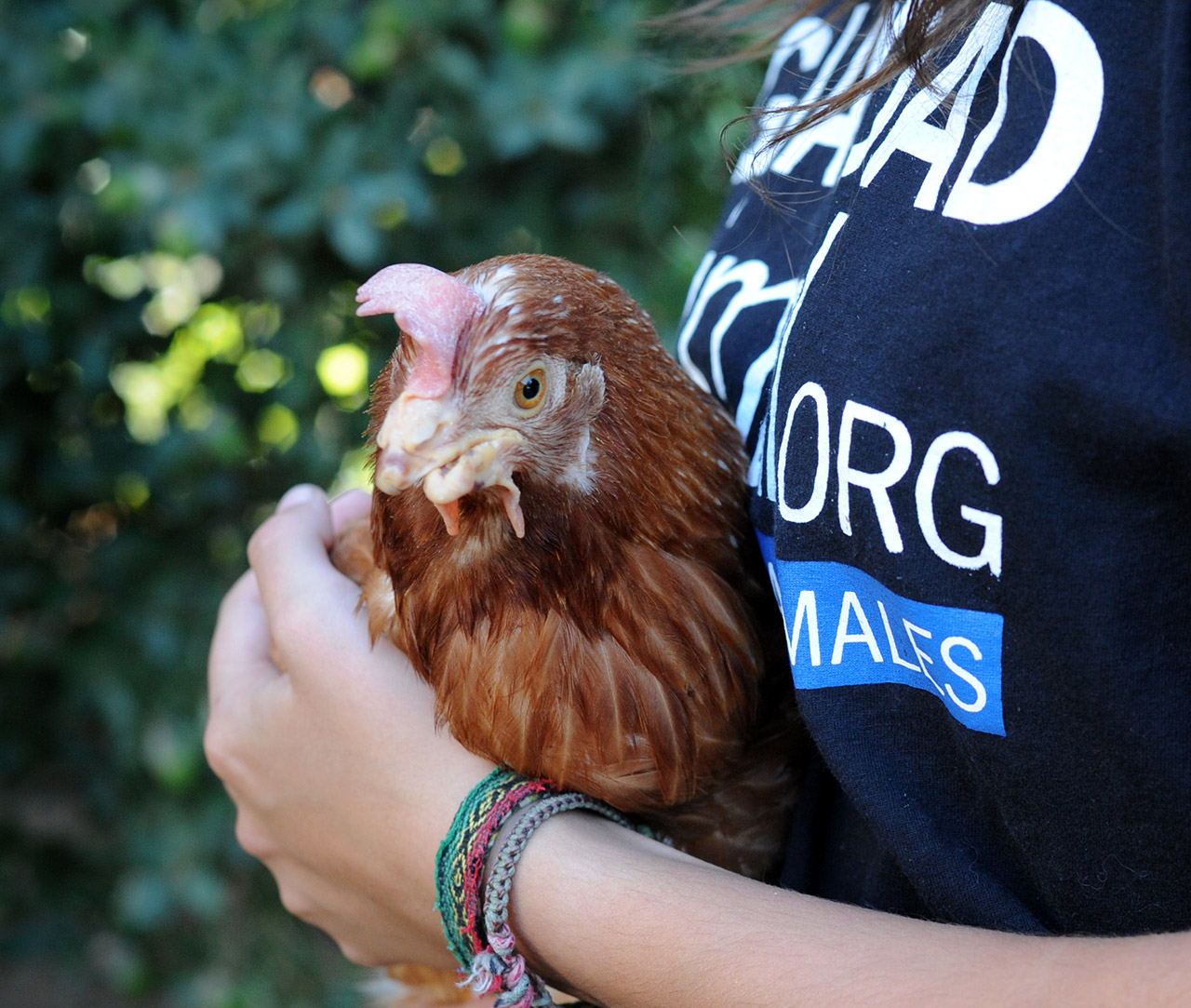
With rich emotional lives and unbreakable family bonds, farmed animals deserve to be protected. You can build a kinder world by replacing animal food products with plant-based ones.