

Recognizing Sentience: The Next Frontier in Animal Rights
Today a growing global movement is challenging the perspective of animals existing solely for human use. Advances in science, ethics, and public awareness are encouraging people to recognize animals as sentient beings deserving of compassion, respect, and legal protection.
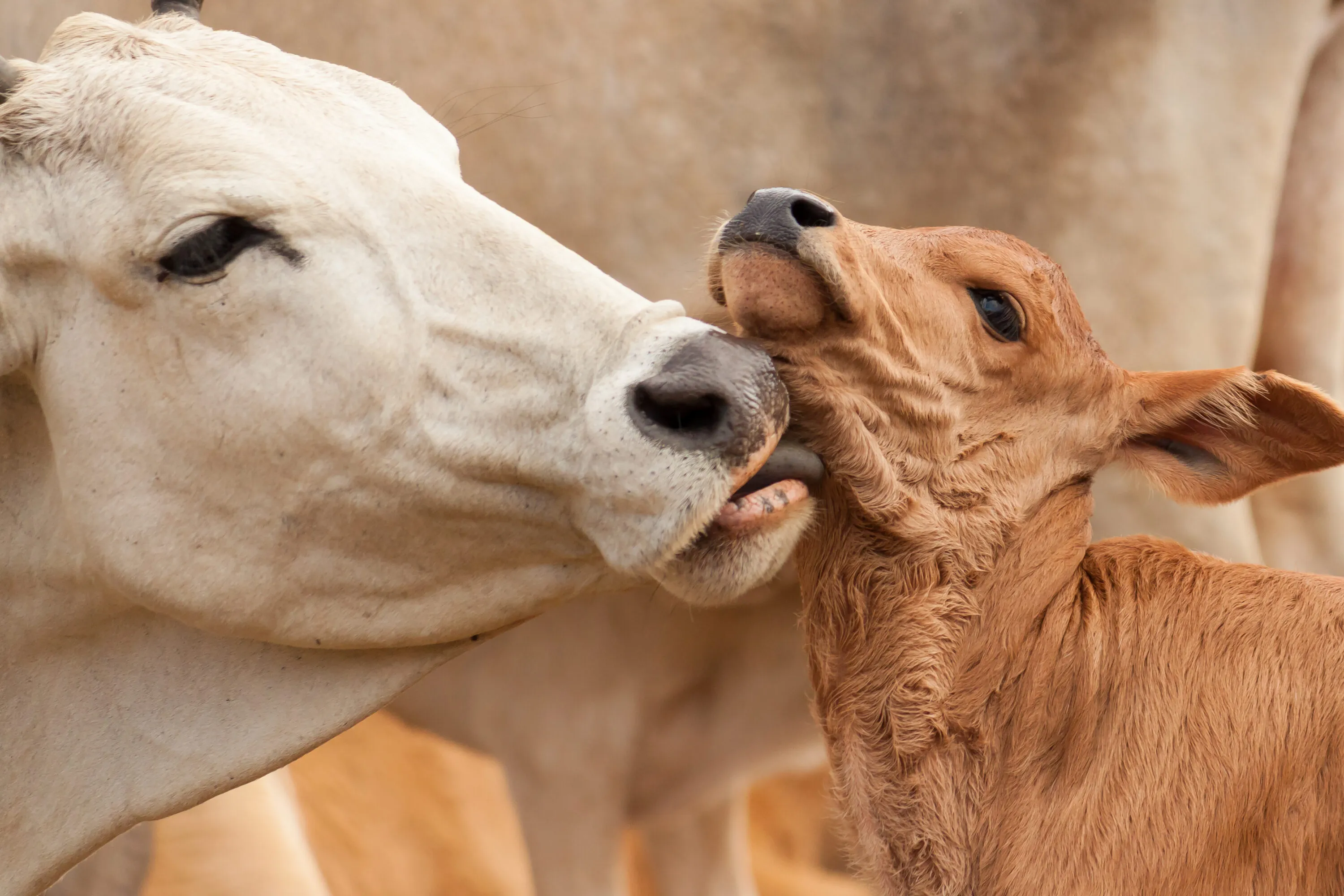
Sentience refers to the capacity to experience feelings such as pleasure, pain, fear, joy, stress, and comfort. Scientific research has repeatedly demonstrated that many animals possess rich emotional and cognitive lives. Cows form strong social bonds and can experience anxiety when separated from their calves. Pigs display remarkable intelligence, problem-solving abilities, and emotional sensitivity. Hens communicate through a complex range of vocalizations and show signs of empathy toward their chicks. Sheep recognize individual faces and develop lasting relationships within their social groups. Fish, often overlooked in discussions about animal welfare, have been shown to feel pain, experience stress, learn from past experiences, and exhibit sophisticated behaviors.
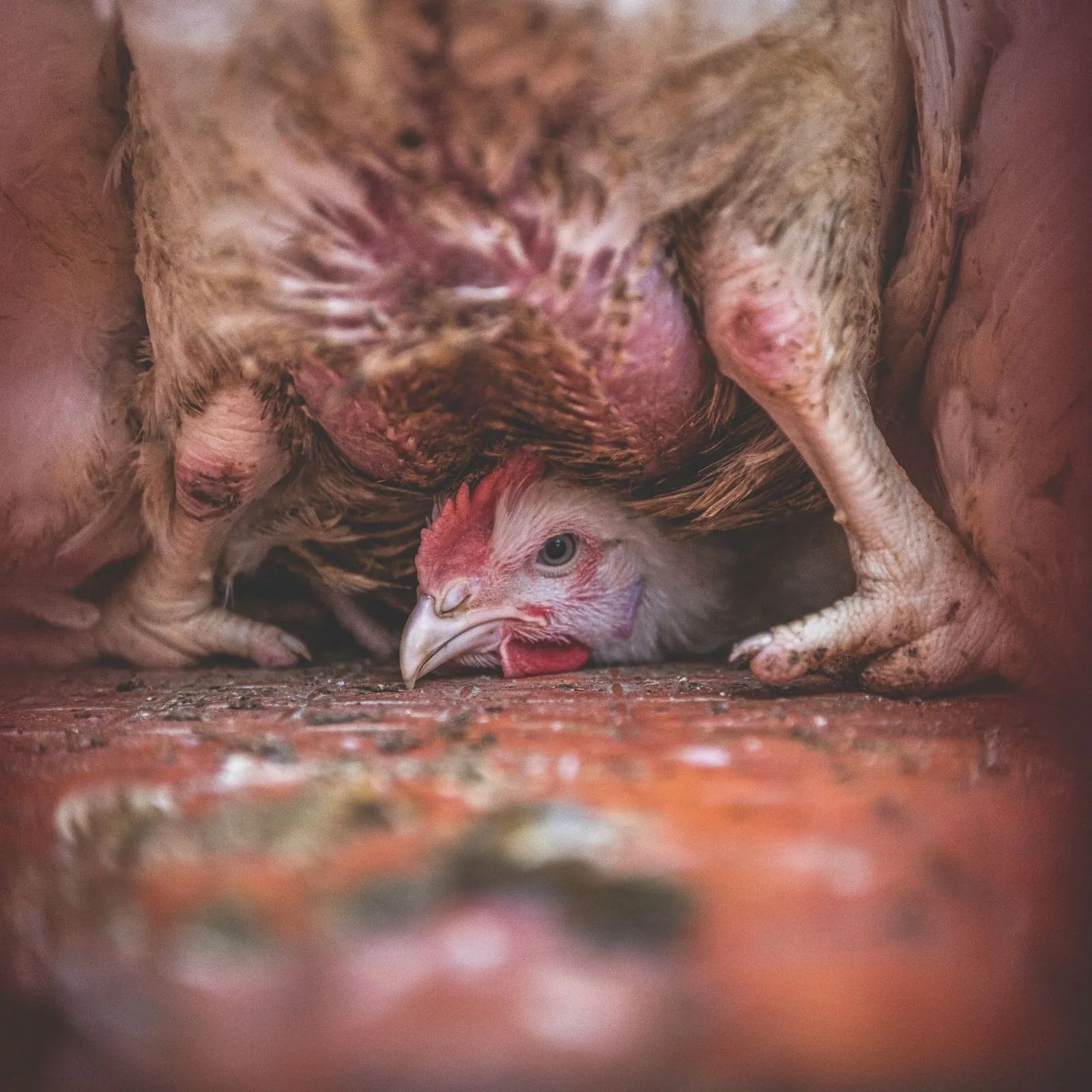
Despite this growing body of evidence, billions of cows, pigs, goats, sheep, hens, and fish are bred and raised to meet consumer demand for meat, dairy, eggs, and seafood. Mother cows are routinely separated from their calves shortly after birth. Egg-laying hens are often confined in overcrowded environments that restrict natural behaviors. Pigs may spend significant portions of their lives in barren enclosures with little opportunity for exploration or social interaction. Fish, despite being the most numerous animals used for food, are subjected to immense suffering during capture, transport, and slaughter, frequently without adequate welfare protections.
Fortunately, attitudes are beginning to change. Across the globe, people are becoming more aware of the ethical implications of their choices. Educational campaigns, documentaries, academic research, and advocacy efforts have helped bring animal welfare issues into public discourse. Governments in several countries have started recognizing animal sentience in legislation, acknowledging that animals are not mere property but living beings capable of suffering.
Yet legal recognition alone is not enough. A genuine shift in perspective requires cultural transformation. It means questioning long-held beliefs about humanity’s relationship with other animals and expanding our circle of compassion beyond our own species. It requires us to consider whether practices that cause unnecessary suffering can be justified when alternatives exist.
One of the most impactful ways individuals can contribute to this shift is through their food choices. The growing availability of plant-based foods has made it easier than ever to reduce or eliminate reliance on animal products. Plant-based alternatives to meat, dairy, eggs, and seafood offer opportunities to nourish ourselves while reducing harm to animals. By choosing these alternatives, consumers can help challenge systems that treat sentient beings as commodities and support a more compassionate food system.
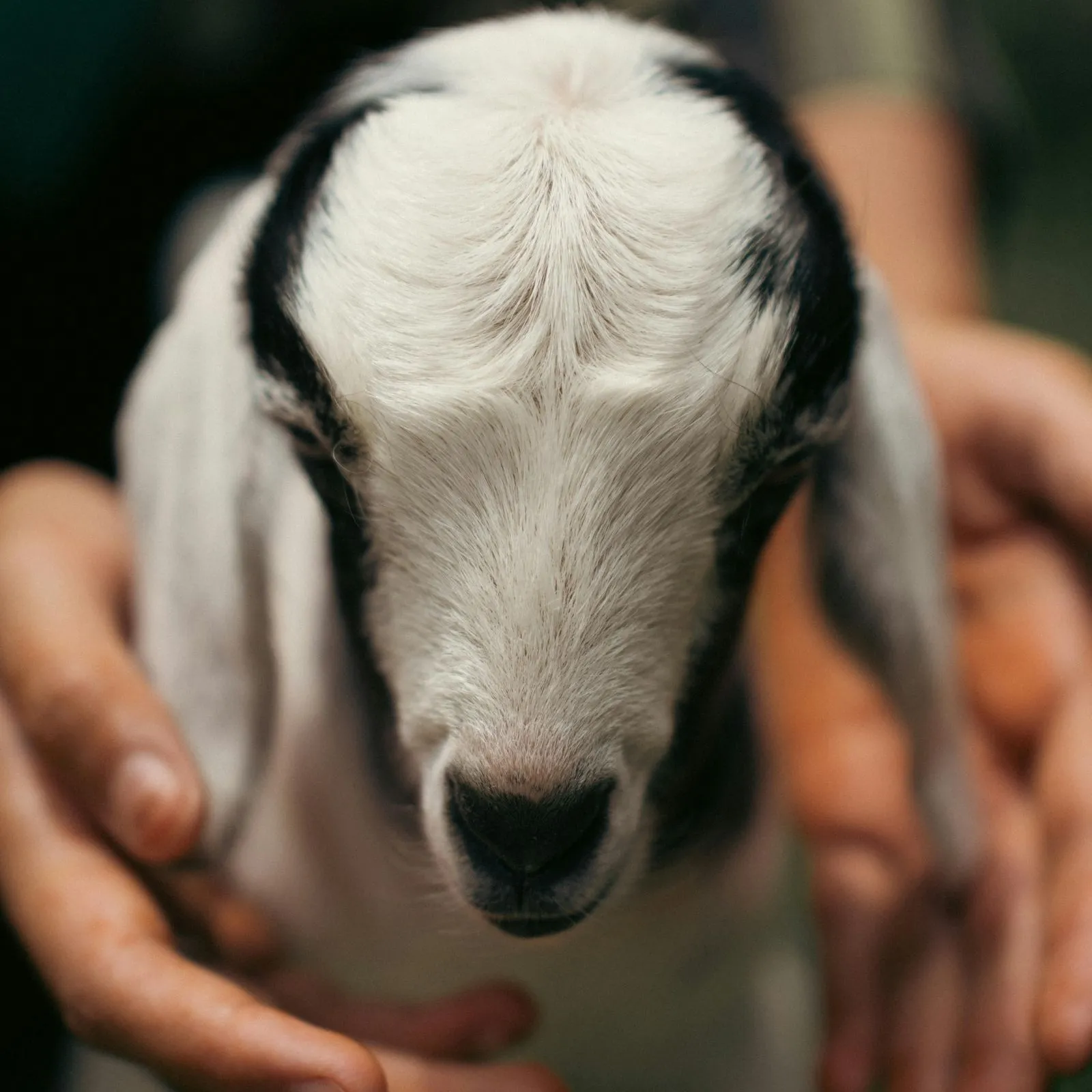
National Animal Rights Day is a day of hope; it invites us to envision a world where animals are recognized for their intrinsic value, where compassion guides our choices, and where the interests of all sentient beings are given meaningful consideration.
The journey from viewing animals as commodities to recognizing them as sentient individuals is one of the most important ethical transformations of our time. As awareness continues to grow, each of us has the opportunity to help build a future founded on empathy, justice, and respect for all beings who share our world.
LIVE KINDLY
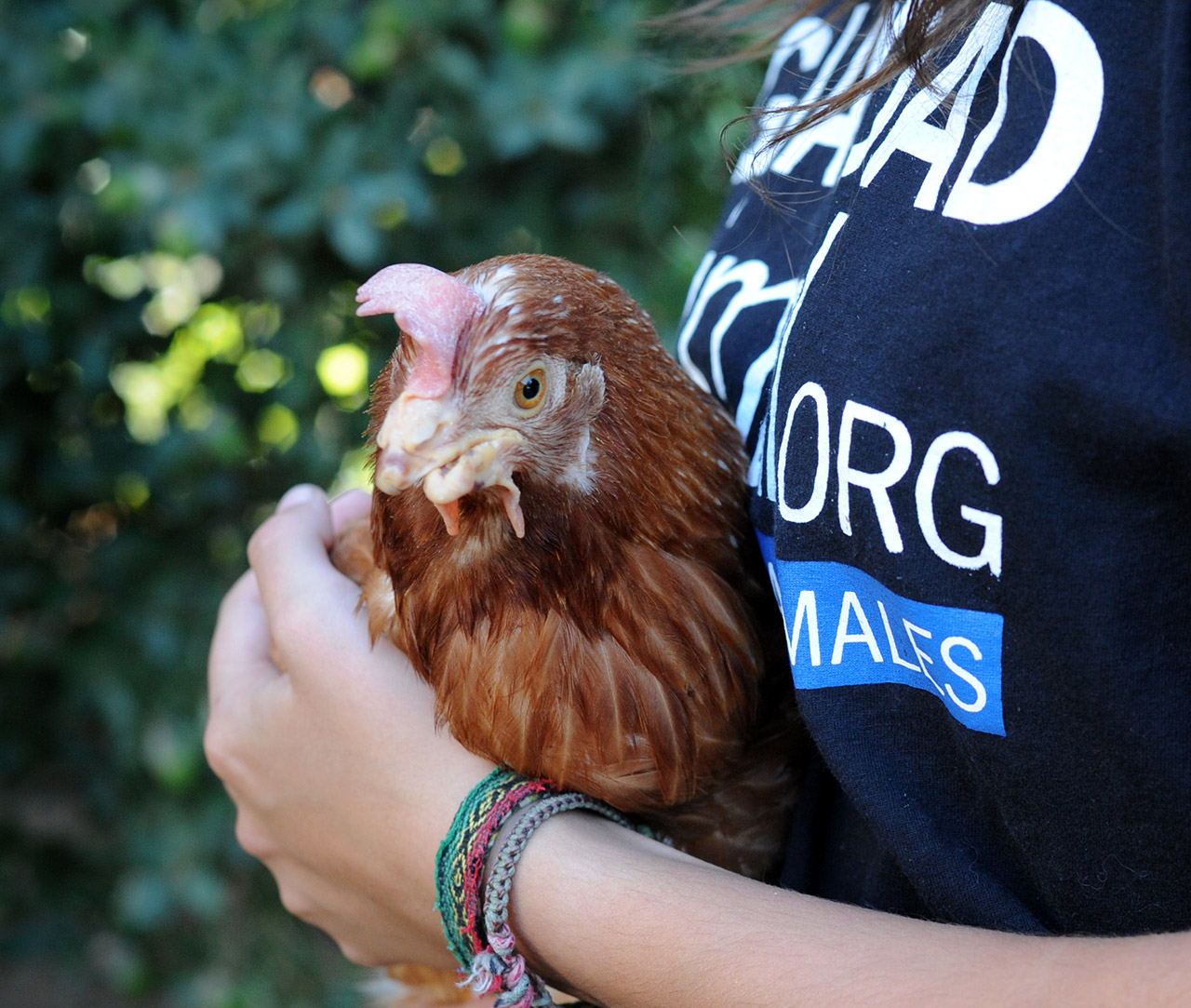
With rich emotional lives and unbreakable family bonds, farmed animals deserve to be protected. You can build a kinder world by replacing animal food products with plant-based ones.