
Celebrating the sacred bond between a mother and child in non-human animals this Mother’s Day
Across cultures and species, motherhood represents protection, sacrifice, tenderness, and an instinctive desire to nurture. While humans honour their own mothers on this special day, there is another side to motherhood that often goes unseen—the emotional lives of non-human animal mothers, especially those trapped within modern animal agriculture.
Hens calling softly to their chicks, cows licking their newborn calves moments after birth, goats protecting their babies from danger, pigs building nests before giving birth, and fish guarding their eggs with devotion—these are not isolated behaviours. They are powerful reminders that the bond between mother and child is not exclusive to humans. Farmed animals experience deep maternal instincts and emotional connections, yet millions of them are denied the opportunity to fully nurture and raise their young.
This Mother’s Day, perhaps the most meaningful tribute to motherhood is to recognise and respect these sacred bonds in all species.
The Loving Nature of Mother Hens
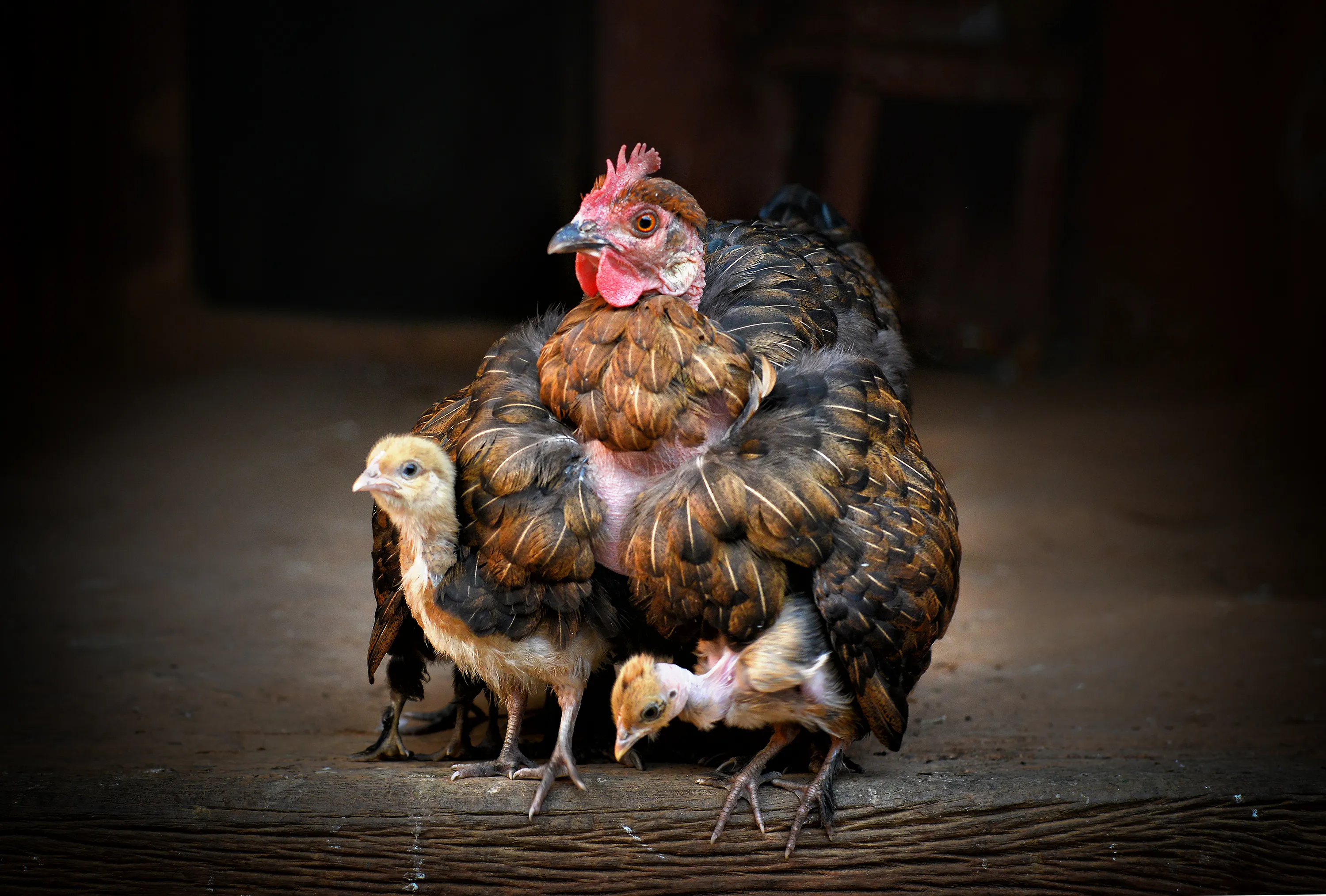
Chickens are among the most misunderstood animals in the world. Often dismissed as unintelligent, hens are in fact attentive and caring mothers. A mother hen communicates with her chicks even before they hatch. Scientists have observed hens softly clucking to embryos still inside eggs, while chicks respond with tiny chirps from within the shell. Once the chicks hatch, the mother teaches them how to find food, warns them about predators, and shelters them under her wings for warmth and safety.
A hen becomes visibly distressed when her chicks are threatened. Studies have shown that mother hens display signs of anxiety and elevated heart rates when they perceive danger to their babies. Their maternal care is active, emotional, and protective.
Yet in the egg industry, these natural bonds are almost entirely erased. Chicks never meet their mothers. Eggs are taken away immediately and placed in incubators. Male chicks, considered economically useless to the industry, are often killed shortly after hatching. Female chicks are raised to become egg-laying machines themselves. The nurturing relationship that would naturally develop between a hen and her babies is deliberately prevented.
Cows and the Heartbreaking Separation from Calves
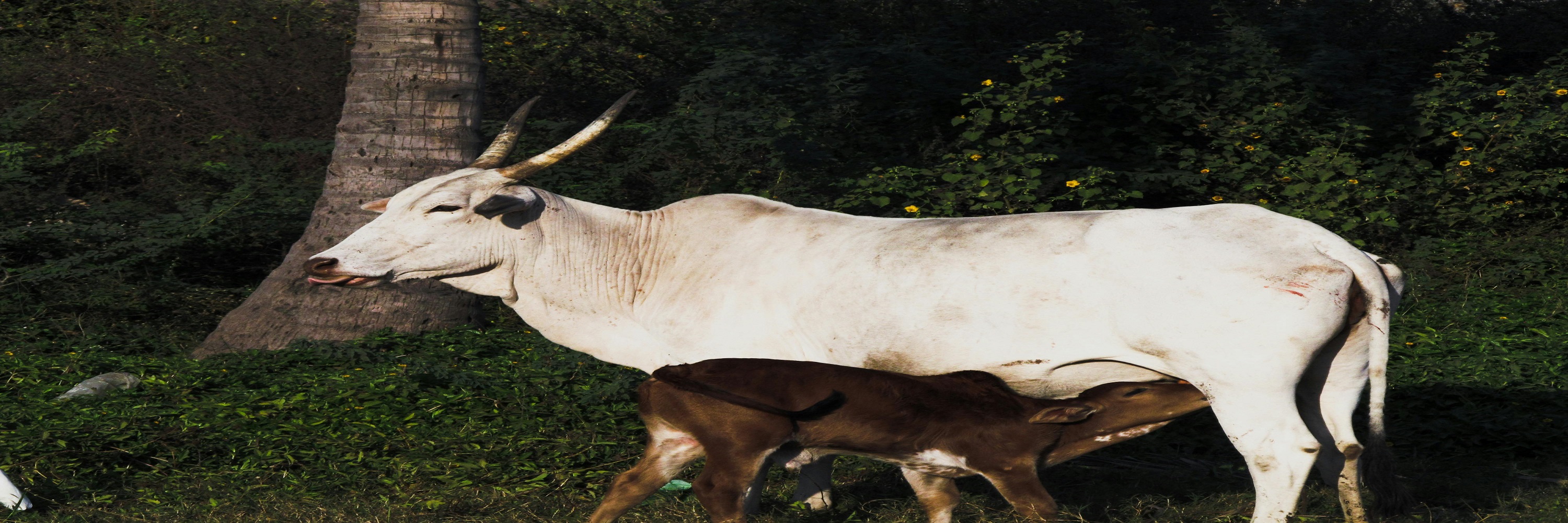
Few images in farming are more emotionally powerful than that of a cow with her calf. Mother cows are deeply devoted to their young. After birth, cows gently lick their calves clean, encouraging them to stand and nurse. They recognise their babies by voice and scent and maintain strong emotional bonds.
In natural settings, calves stay close to their mothers for many months, nursing and learning social behaviours. Cows communicate constantly with their young through soft vocalisations, and calves often seek comfort and reassurance from their mothers.
However, in the dairy industry, calves are usually separated from their mothers within hours or days after birth so that the milk meant for the calf can be sold for human consumption. This separation is traumatic for both mother and baby. Farmers and animal behaviour experts alike have reported cows calling out for their calves for days after separation, searching anxiously and displaying signs of distress.
Male calves in the dairy industry are often slaughtered for meat or abandoned because they cannot produce milk. Female calves usually enter the same cycle as their mothers. Behind every glass of dairy milk lies a repeated cycle of forced pregnancies and maternal separation.
Motherhood, for cows, becomes a source of grief rather than joy.
Goats: Gentle Mothers with Strong Family Bonds
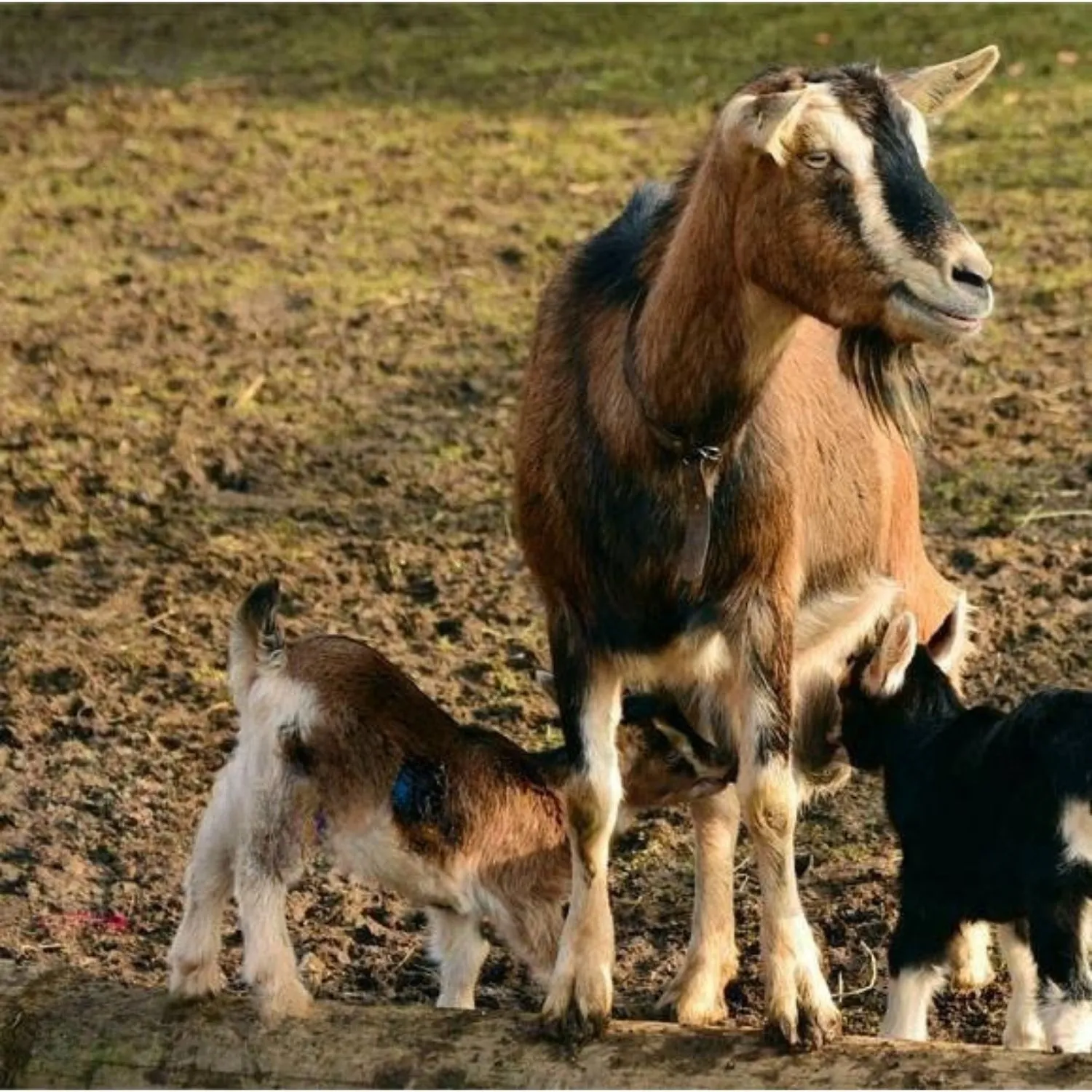
Goats are affectionate, social animals with remarkable maternal instincts. Mother goats form close relationships with their kids immediately after birth. They recognise their babies through vocal calls and scent, and kids quickly learn to identify their mothers’ voices among a herd.
Goat mothers are protective and patient. They encourage their young to explore while keeping them safe from danger. In natural environments, goat families remain closely connected, with young kids depending heavily on maternal guidance and care.
Yet in dairy goat farming, the same painful pattern seen in cows is repeated. Kids are often removed from their mothers shortly after birth so that the milk can be commercially harvested. Many goat mothers cry out in distress when separated from their babies, and the babies themselves often show signs of fear and confusion.
The emotional suffering experienced by these animals rarely enters public conversation because society has normalised their exploitation. But when viewed through the lens of motherhood, their pain becomes impossible to ignore.
Fish Mothers and the Hidden World Beneath Water
Fish are perhaps the least understood victims of animal agriculture. Because they do not vocalise like mammals or birds, people often assume they are incapable of emotional experiences or parental care. Yet many fish species display remarkable maternal and paternal devotion.
Some fish carefully guard their eggs against predators. Others build nests, clean the eggs to protect them from disease, or carry babies in their mouths for safety. Certain species even cooperate with their offspring after hatching, guiding them toward food and protection.
Research increasingly shows that fish are sentient beings capable of experiencing pain, fear, and stress. Their parenting behaviours further demonstrate that emotional and social lives exist beneath the surface of the water.
In commercial fishing and fish farming, however, billions of fish are killed every year with virtually no concern for their welfare or family structures. Entire populations are captured or confined without recognition that these animals, too, form meaningful bonds.
Pigs: Intelligent and Devoted Mothers
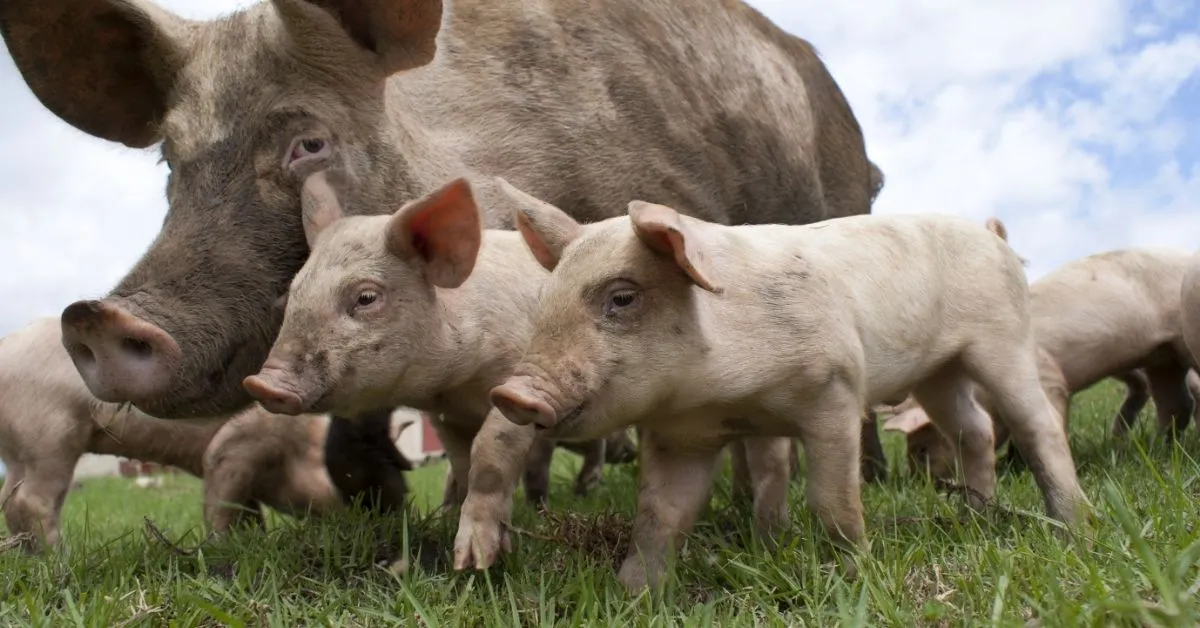
Pigs are widely recognised by scientists as highly intelligent animals, capable of problem-solving, emotional complexity, and strong social relationships. Mother pigs, or sows, display extraordinary care toward their piglets.
Before giving birth, a sow naturally builds a nest using leaves, branches, and grass. This nesting behaviour is an important part of preparing a safe environment for her babies. After birth, she communicates with her piglets through vocalisations and carefully lies down to avoid crushing them.
Piglets recognise their mother’s voice and run to her for comfort and milk. In natural settings, pig families form close-knit social groups where young pigs continue learning from their mothers for extended periods.
In industrial farming, however, mother pigs are often confined inside “farrowing crates”—small metal enclosures so restrictive that they cannot even turn around. These crates prevent mothers from fully interacting with their piglets and severely restrict natural behaviours like nest-building.
The image of a loving mother trapped behind bars while her babies struggle to nurse is one of the clearest examples of how industrial farming disregards maternal bonds for efficiency and profit.
Expanding Compassion Beyond Our Own Species
Motherhood is a universal language. Whether expressed through a hen sheltering her chicks, a cow mourning her calf, a goat protecting her kid, a sow nursing her piglets, or a fish guarding her eggs, the message is the same: the desire to love and protect one’s child transcends species boundaries.
This Mother’s Day offers an opportunity to reflect on the contradiction between celebrating maternal love while supporting industries that systematically separate mothers from their babies. Compassion becomes more meaningful when it extends beyond our own species and challenges traditions that cause suffering.
One powerful way to honour animal mothers is by embracing a plant-based lifestyle. Choosing plant-based milk instead of dairy, egg-free meals instead of factory-farmed eggs, and plant-based alternatives to meat can help reduce the demand for industries built on exploitation and separation.
A plant-based diet is not merely a personal health choice; it is an ethical step toward recognising the emotional lives of animals and respecting the sacred bond between mothers and their children.
This Mother’s Day, let compassion grow wider. Let us celebrate not only human mothers, but all mothers—the feathered, the furry, and the finned—who love, nurture, protect, and grieve just as deeply as we do.